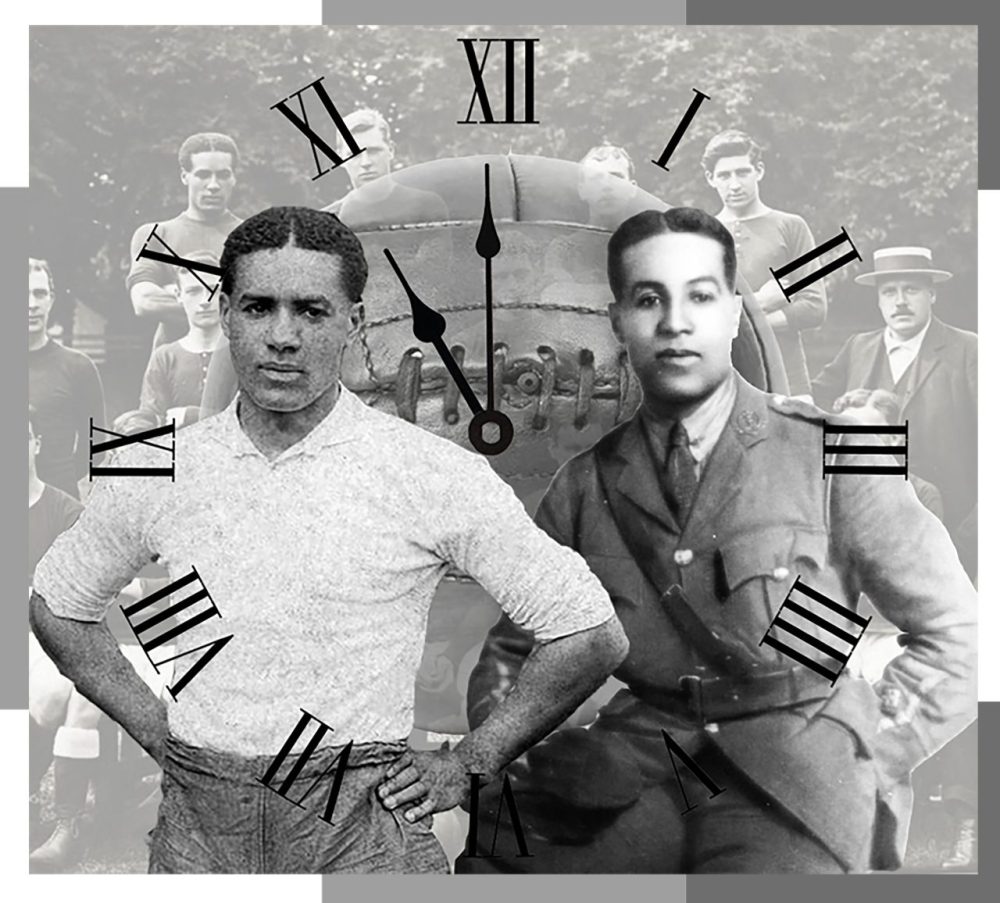
This play os a musical based on the real story of Walter Tull, a man whose life was full of incident and tragedy. It was written by Dougie Blaxland, composed by Chris Anthony and directed by Amanda Horlock in conjunction with Show Racism The Red Card. Although a low-key, three-hander with minimal set and props, it was a very powerful piece.
The hero is of mixed race , his father, Daniel, being from Barbados and his mother, Alice, Folkestone, Kent. When Walter was seven, his mother died and his father married her cousin, Clara. Two years later Daniel also died, leaving Clara with five children to support. Being unable to look after them all, Walter and his brother, Edward were sent to an orphanage in Bethnal Green, London.
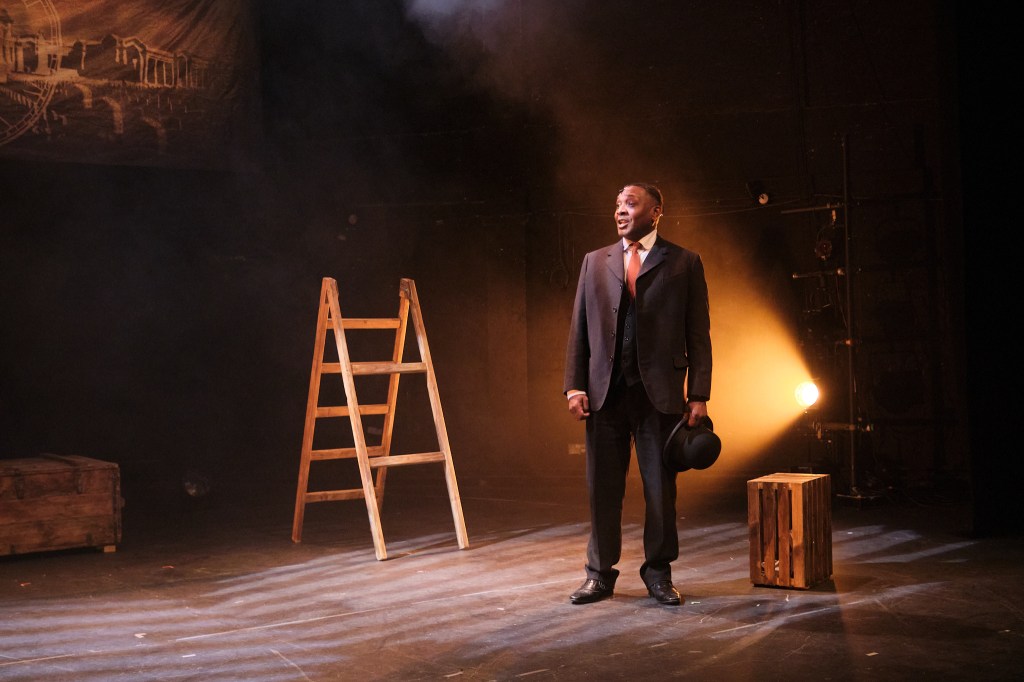
Neil Reidman
Edward was adopted by the Warnock family in Glasgow but Walter stayed at the institution until he left school. He was a keen amateur footballer and played for Clapton, until he was spotted by a scout from First Division club, Tottenham Hotspur, for whom he signed as a professional in 1909. He made an impressive start, but following a match against Bristol City, he was dropped to play in the reserves. The reason was put down to the racial abuse he had suffered in that game. Two years later, after sporadic appearances in the first team, he was sold to Southern League team, Northampton Town, where he made 108 appearances, scoring nine goals, four of which were in one game against Bristol Rovers.
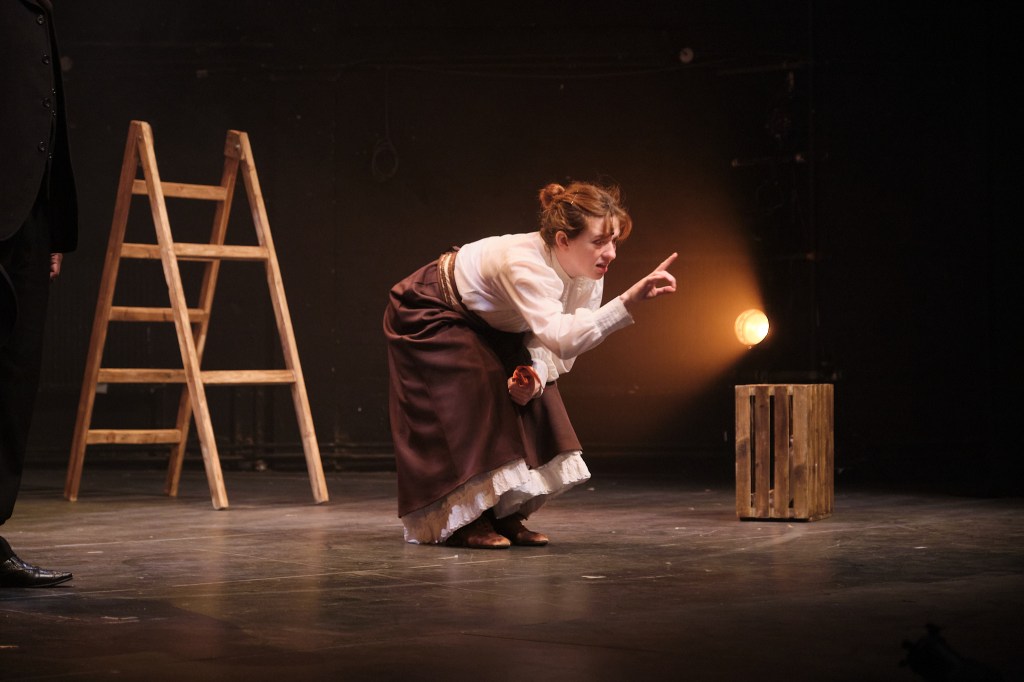
Geebs Marie Williams
When the First World War broke out in 1914, Walter Tull enlisted in the British Army and quickly rose to the rank of lance sergeant, fighting in the first Battle of the Somme in 1916. In 1917 he was promoted again, this time to second lieutenant despite the 1914 Manual of Military Law stipulating that only ‘natural born or naturalised British subjects of pure European descent’ could become commissioned officers in the Special Reserve.
In November, 1917 he became the first person of colour to command white soldiers which he did when transferred to the Italian Front. In March 1918 he led 26 men on a night raid across the fast-flowing Piave River into enemy territory returning with all of them unharmed.
On 8th March, 1918 he returned to France and was killed in action on 25th March, a month before his 30th birthday, during the First Battle of Bapaume. His body was never recovered and the exact location of his grave is unknown.
In a letter of condolence to his family, his commanding officer said that he had been put forward for a Military Cross, but it was never awarded. The Ministry of Defence has no record of the recommendation, possibly because a fire in 1940 destroyed a lot of the archives. There have been many attempts to have the MC presented, but until 1979 it was not able to be awarded posthumously, and even then, the new rule was not retrospective.
At the end of the show we were urged to go online and put our names to a petition to try to get the award presented regardless.
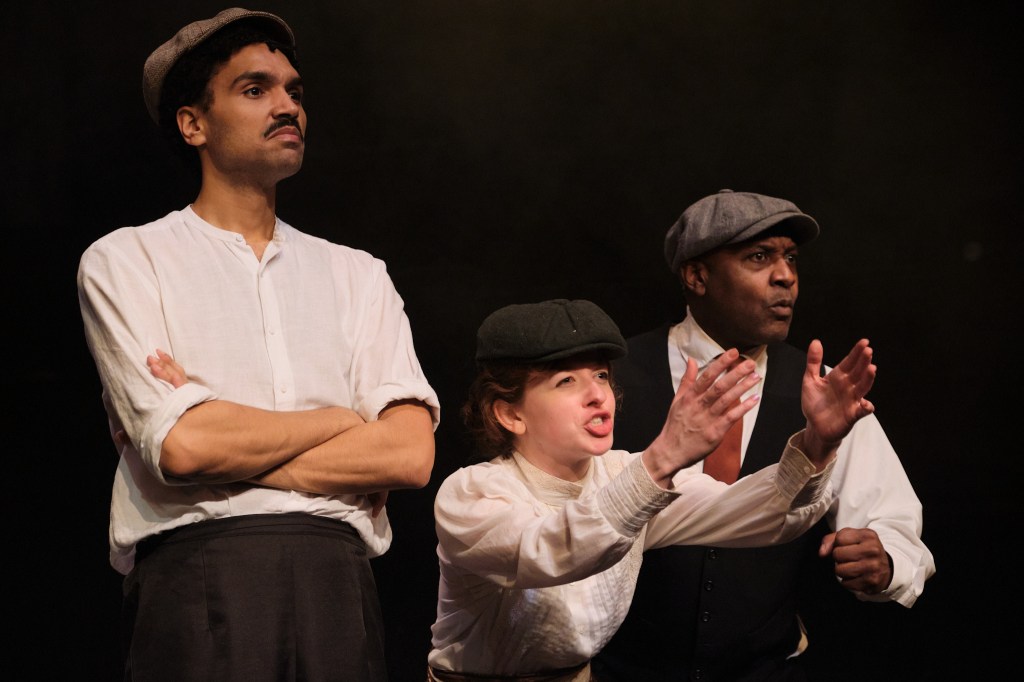
Leon Newman, Geebs Marie Williams and Neil Reidman take to the terraces.
Because two of the actors played multiple roles: Neil Reidman, and Geebs Marie Williams, I found some parts a bit confusing, especially when the latter appeared always to be referred to as Alice, whereas, when the boys were taken away on their father’s death, she would have been Clara. She was, however, the pick of the actors, with a great singing voice and grasp of accents, although who knows what a Northampton twang sounds like – unless you are from that area, obviously. When called upon to play a Cockney she unleashed her inner Eliza Doolittle to great effect. Mr Reidman’s London brogue was also spot on, pure Arthur Daley, as was his South Yorkshire when playing Herbert Chapman, but I thought his Bajan slipped into Irish a couple of times, but in the words of that great philosopher, Meatloaf, two out of three ain’t bad. Leon Newman was Walter for the whole show so no problem there. Both of the men struggled a little with the singing, especially the softer numbers, but their enthusiasm made up for it.
The songs were brilliant, poignant and extremely witty, with some rhymes that would have made Cole Porter proud. How about Connoisseurs and Hotspurs?
As with the Alice/Clara situation, there were a few liberties taken with the story, but I can put them down to artistic licence, one being that the play opened with two people, played by Geebs Marie Williams and Neil Reidman, searching for, and discovering, Walter Tull’s grave. As mentioned earlier, he was killed in action in France in 1918 and his body never recovered.
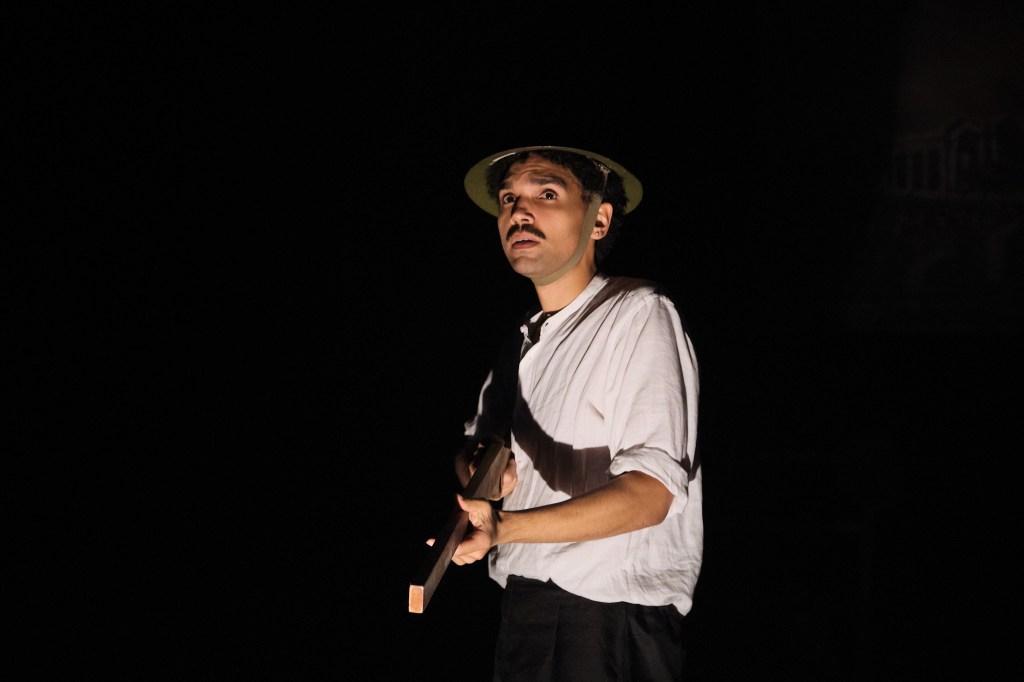
Leon Newman, in the trenches, in full Tottenham kit!
For a celebration of one of the most groundbreaking, if overlooked, figures in the history of human rights in this country, however, I would have thought that the play should have been more factually accurate in one key respect. A man such as this doesn’t need his life story augmenting with hyperbole. The press release describes Walter Tull as ‘the first black footballer to play at the highest level of the domestic game in the UK before achieving another historic breakthrough as the first man of his heritage to be a commissioned officer in the British Army’.
It seems that the first part of that statement is incorrect, as there were two top-flight players of colour before him: Arthur Wharton of Preston North End, and Willie Clarke, Aston Villa. The second part is true, although mixed race men had previously been given temporary promotions to officer due to the shortage of soldiers, but Tull was the first to command white troops.
The show reached the end of its tour at Leeds Playhouse but it has been revived before, so may be again. If it is, it is well worth a viewing.
To see a short feature on Walter Tull please go to
https://www.bbc.co.uk/sport/football/43504448
For more information abut Show Racism The Red Card see https://www.theredcard.org/
For other productions at Leeds Playhouse it is https://www.leedsplayhouse.org.uk/whats-on/
Photographs by Matthew Thompson
 Tyke It To The Limit